From the Counter
Perfume Education
Most fragrance writing skips the part where you actually learn how perfume works. Press releases describe top notes and dry-downs without explaining what a synthetic aroma chemical is. YouTube reviewers compare bottles without ever defining sillage. Forum threads argue about concentration percentages without anyone establishing a baseline. The Perfume Education section is built to fill that gap, to give the curious wearer the working vocabulary and conceptual framework that turns "I like this fragrance" into "I understand why I like this fragrance."
Leather in perfumery: suede vs smoky and how to wear it
Leather in perfumery sounds intense until you smell it the right way. It is not a literal “leather…
Iso E Super in Perfumery: A Guide to the Ghost ingredient
Iso E Super in perfumery is the quiet molecule behind modern scents. Discover its smell, role, safety, and…
What is Vanilla in Perfumery? A Guide to the Sweetest Note
Vanilla is one of the most iconic notes in perfumery. This complete guide explores its history, extraction, psychology,…
What is Sillage in Perfumery? Definition and Meaning
Sillage is the French word for “trail,” describing the scent a perfume leaves in the air. Learn the…
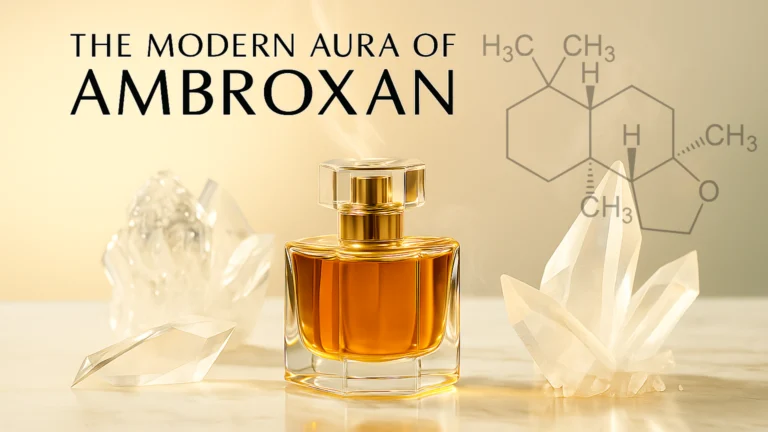
What Is Ambroxan in Perfumery? A Complete Guide
Ambroxan is one of the most important molecules in modern perfumery. Originally created as a sustainable alternative to…
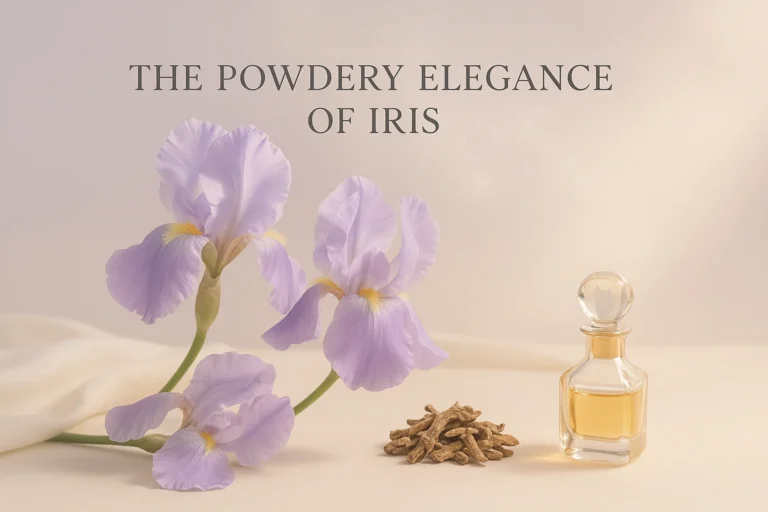
What Is Iris in Perfumery? Smell, History, and Best Perfumes
Iris, also known as orris root, is one of the most luxurious and expensive ingredients in perfumery. Powdery,…
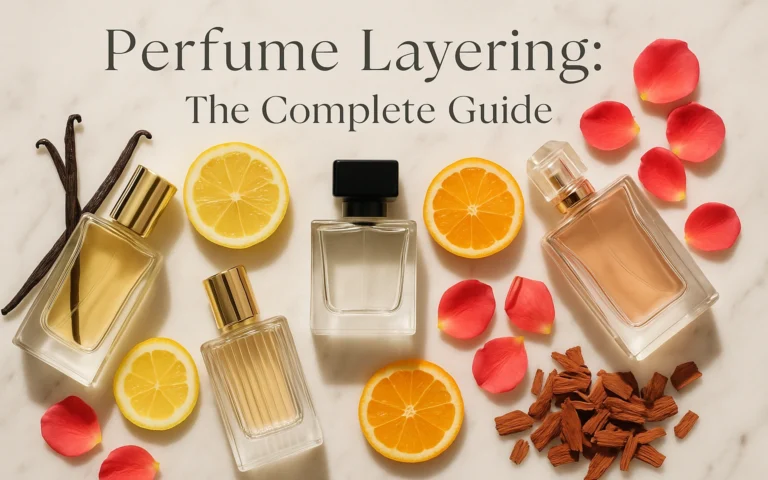
Perfume Layering: The Complete Guide
Perfume layering is the art of combining two or more fragrances to create a unique, personal scent. Rooted…
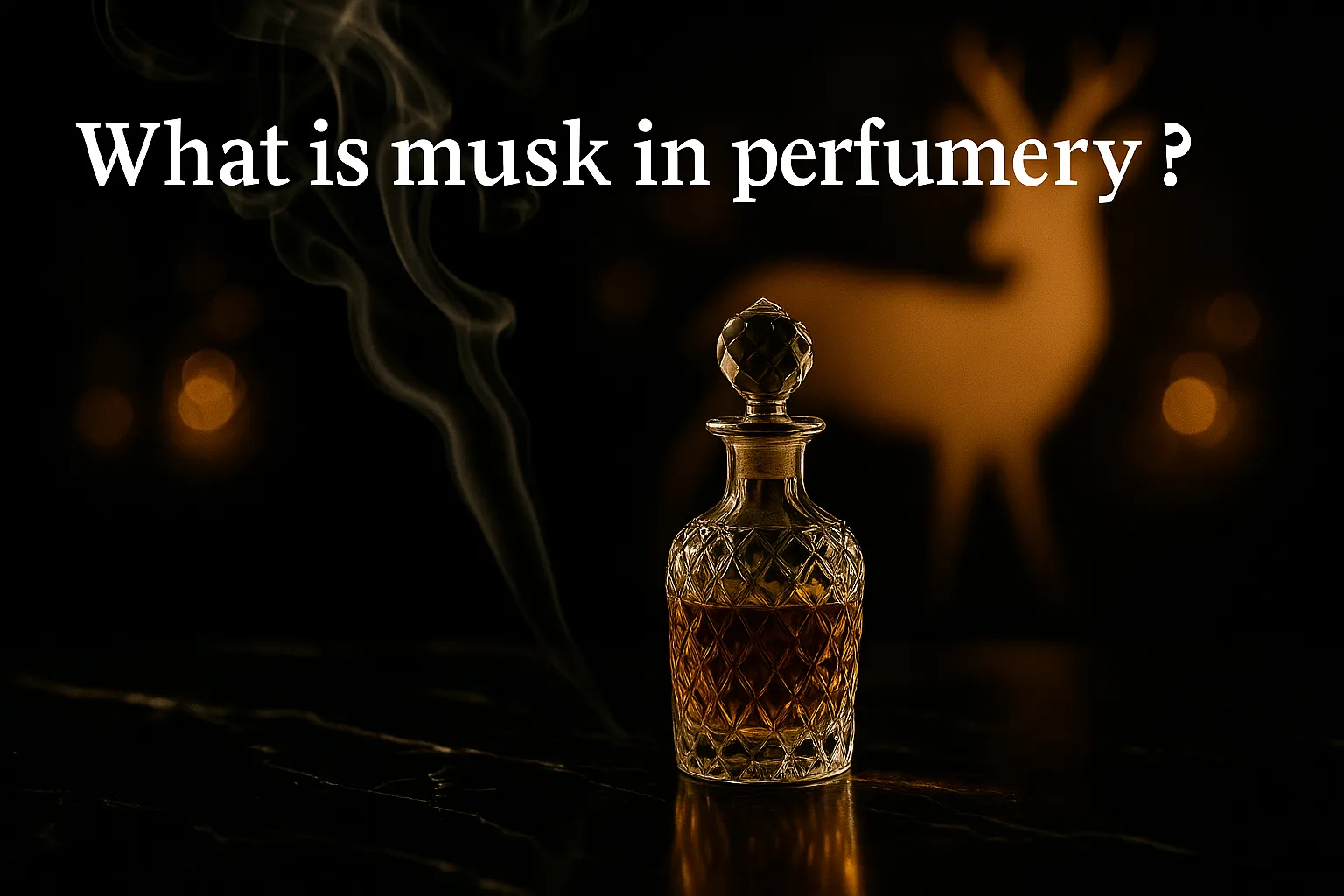
What Is Musk in Perfumery? History, Smell and Types
EducationMuskWhite MuskSynthetic & Natural2026 Musk is the most-used base-note fixative in modern perfumery, but the term covers a…
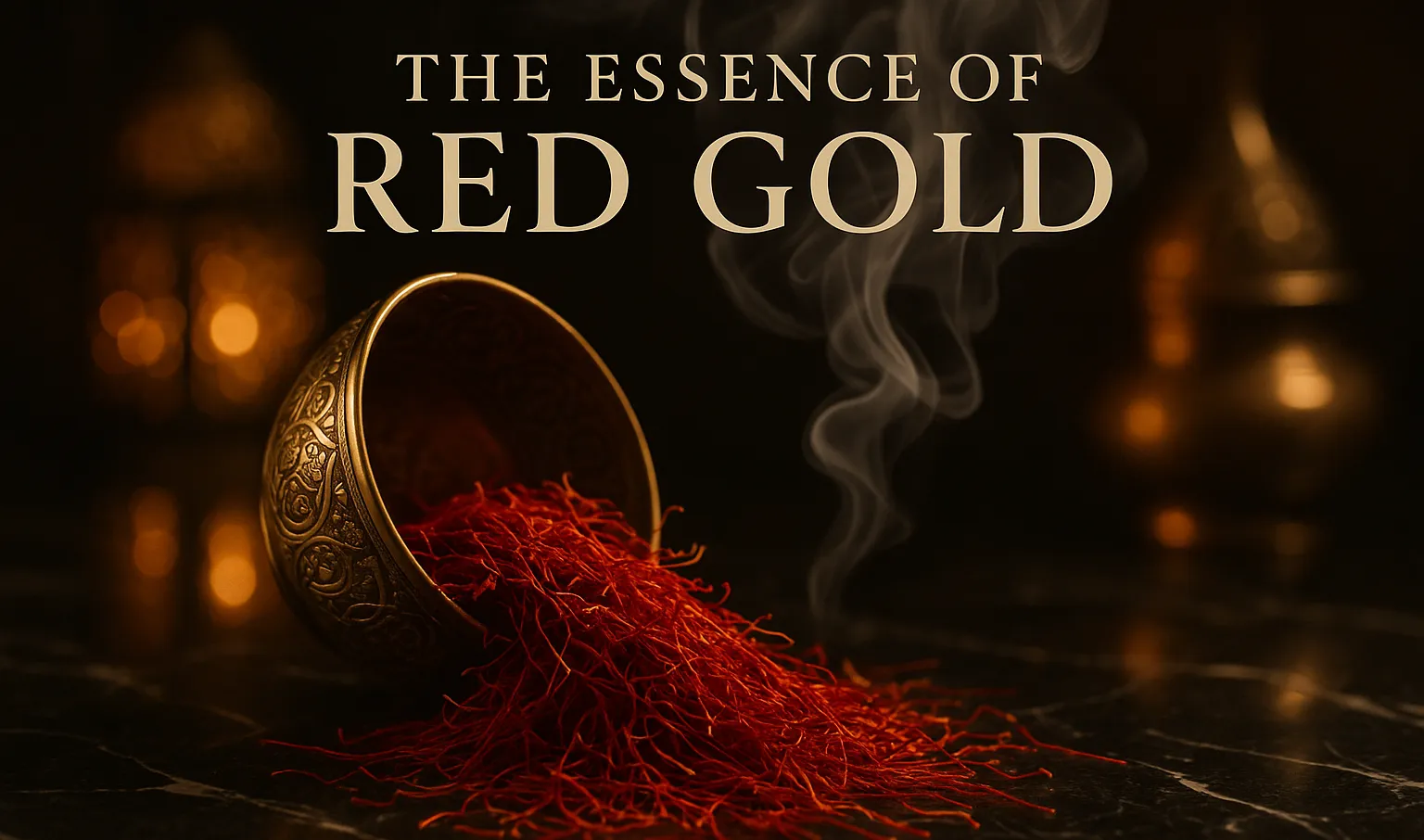
What Is Saffron in Perfumery? The Golden Spice of Fragrance
Saffron, often called red gold, is one of perfumery’s most luxurious ingredients. But what is saffron in perfumery…
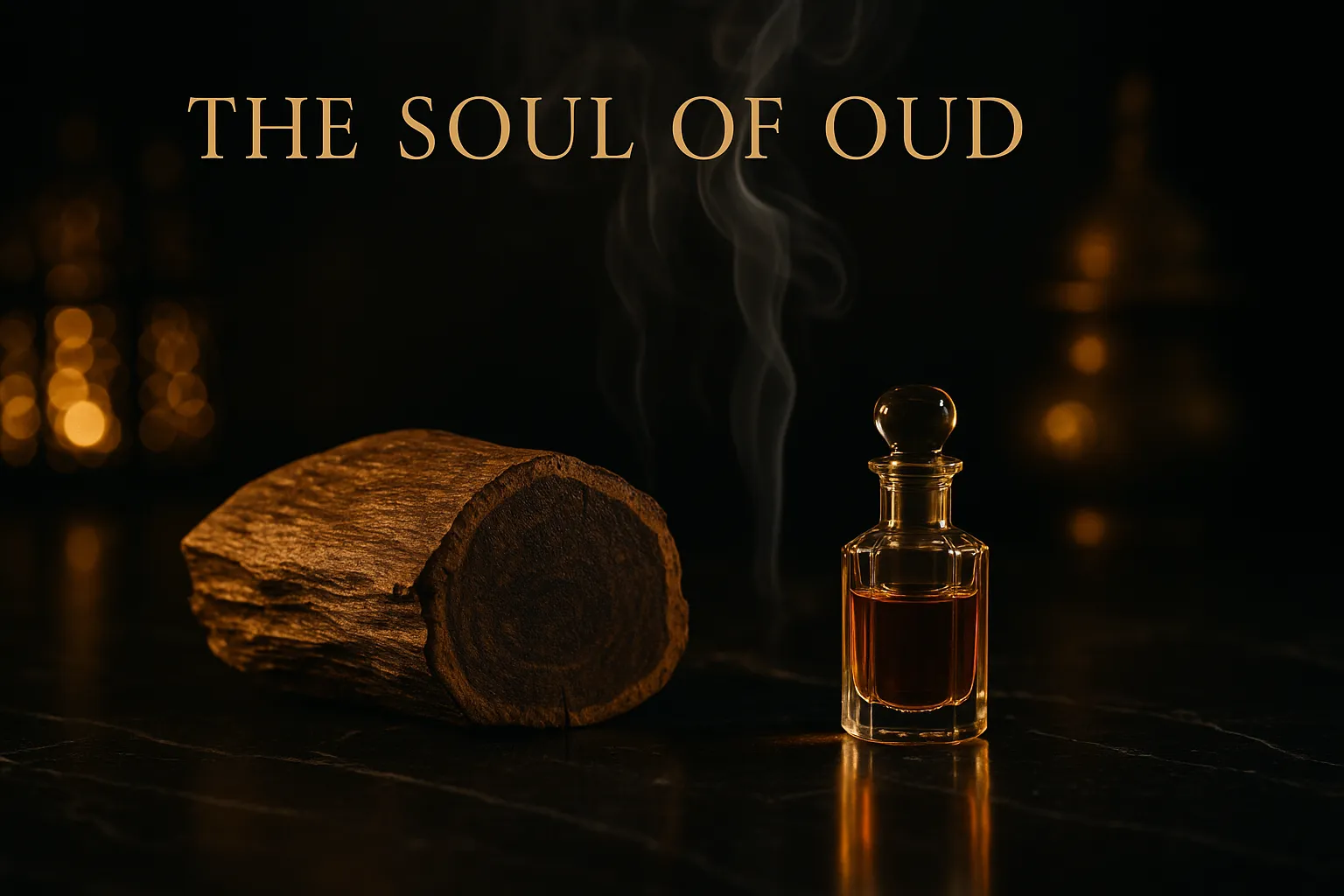
What is Oud in Perfumery? The Complete Guide
Oud, often called “liquid gold,” is one of the most precious and mysterious ingredients in perfumery. Formed from…