Table of Contents
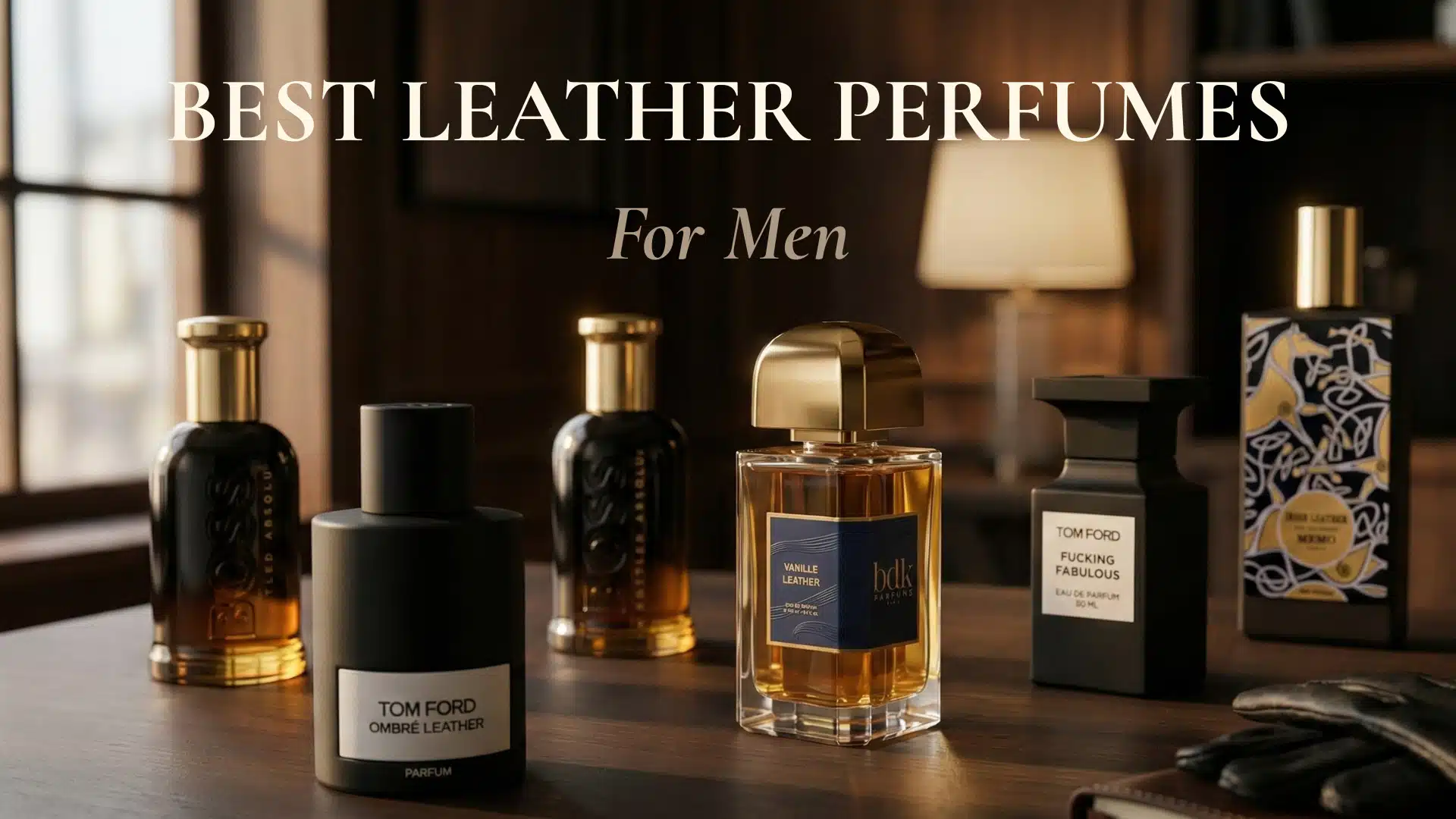
Introduction to Leather in perfumery: suede, smoke, and how to wear it
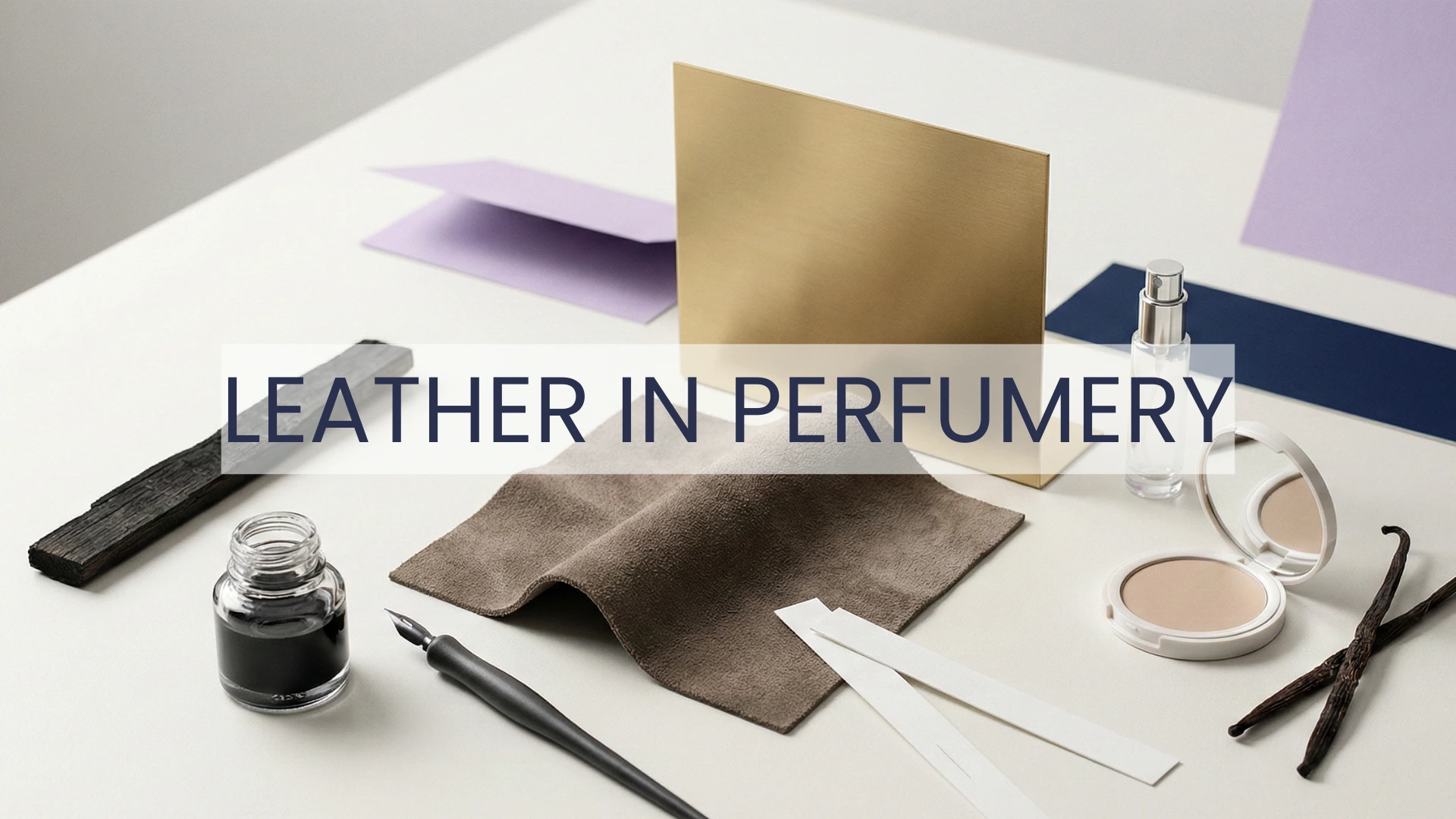
Leather in perfumery. Is one of those notes that sounds intimidating before you even smell it. A lot of people read “leather” and imagine a loud jacket, a brand-new car interior, or something aggressively masculine.
If you are a beginner or early enthusiast, that fear makes sense. Leather fragrances have a reputation for being heavy, smoky, and “too much.” And yes, some leather perfumes absolutely lean that way.
But here is the real truth. Leather in perfumery is not one smell. It is a whole family of textures and interpretations, from soft suede that feels like a clean sweater to dark, inky leather that feels like a night-out statement.
In the niche perfumery where I work at LIQUO in Santiago, I see the same pattern constantly. Clients are often nervous about leather on a blotter. Then we put it on skin, let it warm up, and suddenly the reaction changes. Not always, but often enough that leather has become one of my favorite “surprise notes” to introduce.
This guide will help you understand what leather actually means in fragrance, how perfumers create it, the main leather styles you will run into, and how to wear leather scents without feeling like you borrowed someone else’s personality.
Leather in perfumery – at a glance
- Leather is always “crafted” – there is no natural leather absolute in perfumery, so perfumers build a leather illusion from multiple materials.
- It can smell wildly different – suede-soft, smoky and dry, inky and tarry, or clean and polished like a luxury handbag.
- Leather is about texture – it adds depth, grip, and a confident “finish” that many niche lovers chase.
- Myth: leather = masculine – modern leather styles can be fully unisex, even powdery or cosmetic when paired with iris and musks.
- Start small and test on skin – 1 spray, wait 20 minutes, and you will understand the real vibe far better than on a paper strip.
This is the TL;DR. Keep reading for how leather is created, the main leather styles, common pairings, and how to wear it without feeling overwhelmed.
The most important thing to know first
Before we talk about suede, smoke, or “handbag leather,” you need one foundational idea:
Leather is always a crafted note
There is no standard “natural leather” essence used like a vanilla absolute or a rose absolute. In perfumery, leather is nearly always an illusion, built by the perfumer using multiple aroma materials to create a leather-like impression.
That is why leather can feel clean or dirty, soft or sharp, modern or vintage. When you see “leather” in a note pyramid, you are not seeing a single ingredient. You are seeing a creative decision.
And that decision matters, because leather is one of the most interpretive notes in perfumery. Some perfumers build leather to feel like a buttery handbag. Others build leather to feel like smoked boots. Others make it feel like ink on paper, almost abstract.
This is also why you should never judge leather only by the word “leather.” The type of leather is the whole story.
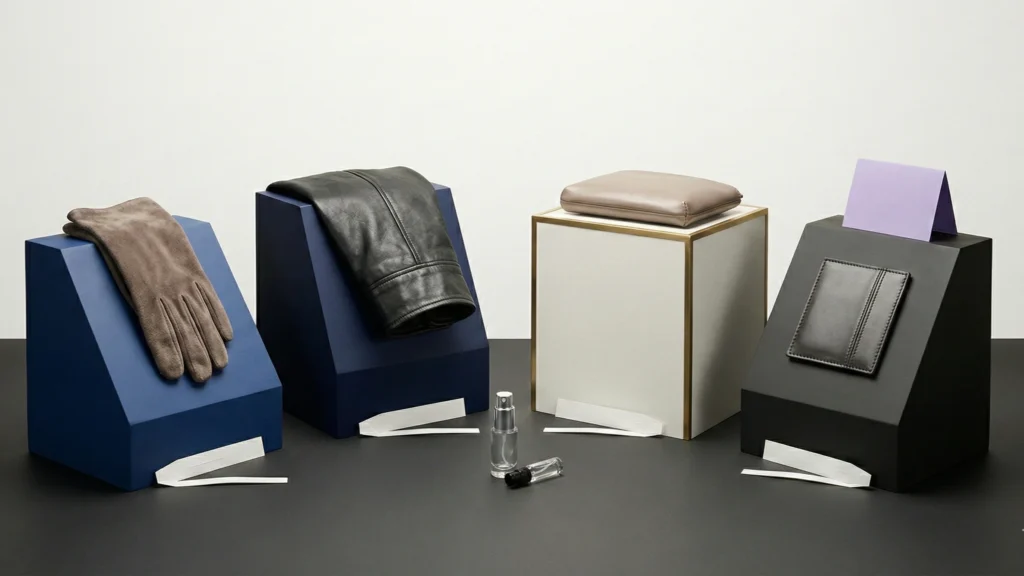
Clear one-sentence definition
Leather in perfumery is a crafted accord that recreates the sensation of leather through a blend of materials, not a literal extract of tanned hide.
Leather in fragrance is closer to a film soundtrack than a documentary. It is mood, texture, and storytelling. A perfumer is deciding what “leather” should mean in that specific composition.
Sometimes leather is the main character. Sometimes it is a supporting role that makes a floral feel more structured, or makes a vanilla feel more grown up, or makes a woody fragrance feel more expensive.
What leather in perfumery actually is
- Leather in perfumery is not a literal ingredient. It is an interpreted accord built to evoke the idea of leather on skin.
- Because it is crafted, the perfumer can “dial” leather in many directions: soft suede, smoky boots, inky darkness, or polished handbag leather.
- It is popular because it adds texture and contrast. Even a small leather nuance can make a fragrance feel more expensive, more realistic, or more confident.
- Common myth: leather always smells like a car interior. In reality, many leather scents smell smooth, clean, and wearable, especially once warmed on skin.
Why leather can feel “too much” on paper
If leather scares you, it usually happens for one of three reasons:
1) Blotters exaggerate the sharp parts
On a paper strip, leather accords can show their driest, most bitter, most smoky edges first. Skin adds warmth, oils, and movement. That can round leather off dramatically.
2) Your brain has strong associations
Leather is not neutral. People associate it with jackets, furniture, shoes, stores, cars, or even specific people. That mental memory can make a leather accord feel more intense than it actually is.
3) You smelled one style and assumed that is all leather
Many people smell a smoky leather once and decide leather is not for them. But suede and cosmetic leather can feel like a completely different note, even though the label still says “leather.”
If you want to approach leather calmly, you need a more specific vocabulary than just “leather.”
Why leather matters in modern perfumery
Leather is not only about smelling like leather. It is about what leather does inside a formula.
Leather adds texture
In perfumery, texture is the difference between a fragrance that feels flat and a fragrance that feels dimensional. Leather can add grip, dryness, polish, or softness depending on the style.
Leather adds contrast
Leather often creates that “push-pull” effect that makes a perfume interesting. A sweet vanilla becomes more sophisticated. A floral becomes more tailored. A woody fragrance becomes more structured.
Leather adds attitude
Not hype, just reality. Leather can communicate confidence and style in a way few notes do. Even when it is subtle, it changes the posture of a fragrance.
This is why leather shows up everywhere from classic compositions to modern niche releases.
How perfumers create leather
Leather is one of the classic examples of an accord: a note built from multiple materials to evoke a real-world idea.
How perfumers create a leather note
Here is the key detail most beginners miss: there is no “natural leather” extract used as a standard perfume ingredient. So leather is always a crafted note, a creative interpretation built from aroma materials that mimic different leather impressions.
Leather as an accord, not a single ingredient
A leather accord is a blend designed to trigger recognition in your brain: that dry, smooth, slightly bitter, slightly warm “leather” sensation. Depending on the perfumer’s intent, the accord can feel plush and soft, smoky and rugged, or clean and elegant. This is why two fragrances that both list “leather” can smell like they belong in completely different wardrobes.
From classic smoky leathers to modern suede
Traditional leather styles often lean smoky, dry, and sharp. Historically, perfumers used materials that suggest burned wood, cured hides, or bitter green leather accents in tiny doses. Modern approaches often aim for suede and “handbag” leather, using cleaner woods, musks, and powdery notes that feel smooth rather than ashy. In the niche perfumery where I work at LIQUO, this is the turning point for many clients: leather on paper can feel intense, but a modern suede accord on skin can feel surprisingly easy and refined.
A bit of history of leather in perfumery
Historically, leather effects in perfumery often leaned darker and more rugged. Many classic “leather” perfumes were designed to feel bold, smoky, even a little raw.
Over time, tastes changed. Regulations changed. Materials changed. And what consumers wanted changed. Modern leather can be much cleaner, more cosmetic, and more wearable.
That shift is why you will hear people describe leather fragrances as either:
“old-school leather” (often smoky, sharp, or rugged)
“modern leather” (often suede, clean, or polished)
Neither is better. They are simply different aesthetics.
So is leather “natural” or “synthetic”?
In practice, leather is usually a crafted blend that can include both natural and synthetic materials, but the leather sensation itself is not a direct “leather extract.” It is constructed.
That is not a downside. It is what makes leather so expressive. If leather were a single natural extract, leather perfumes would all smell similar. The fact that it is built gives perfumers a huge creative range.
How leather smells: the main facets you will actually meet
When someone says “I like leather,” always ask, even if only in your head, which leather?
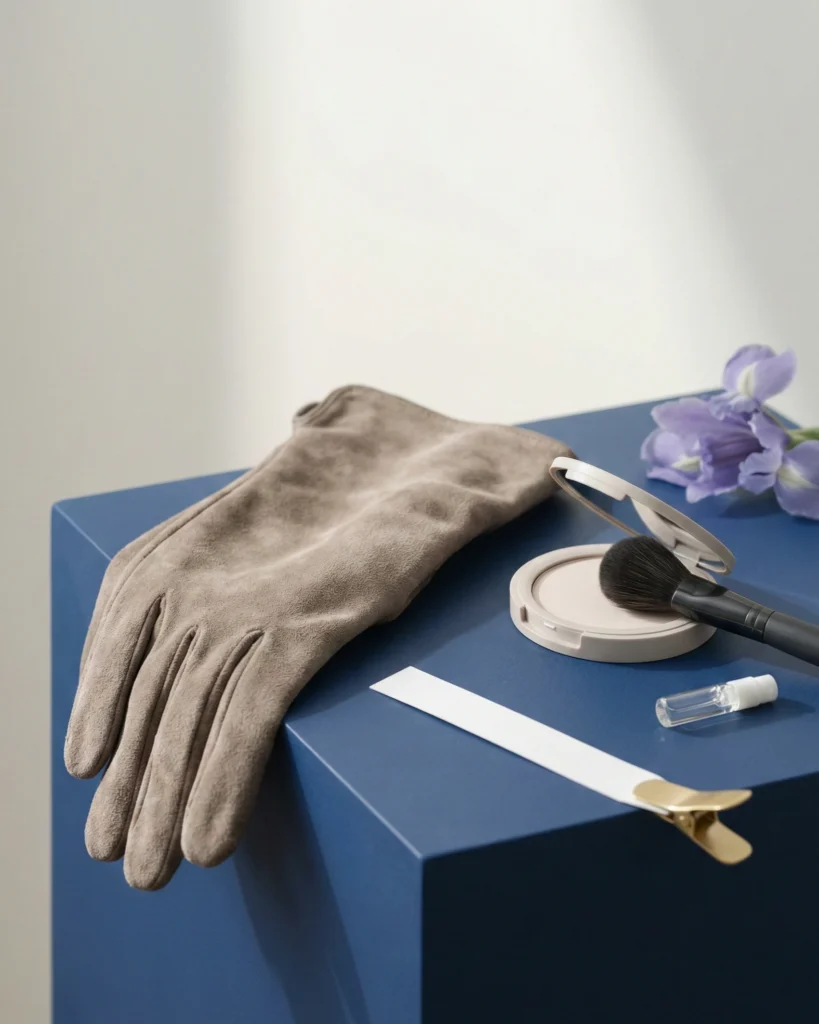
Main facets of leather in perfumery
Soft suede
Suede leather feels velvety and smooth, often slightly powdery, like a glove lining or brushed suede jacket. It tends to sit closer to the skin and reads “quietly confident,” which makes it a great entry point. People usually enjoy it for daily wear, smart casual outfits, and office-friendly situations where you want polish without heaviness.
Dry smoky leather
This is the classic jacket or boots impression: dry woods, smoky edges, and a rugged, outdoorsy feel. It can feel bold at first spray, then settles into a cool, worn-in vibe as it warms. People usually love this style in autumn and winter, especially for evenings, casual black outfits, denim, and relaxed nights out.
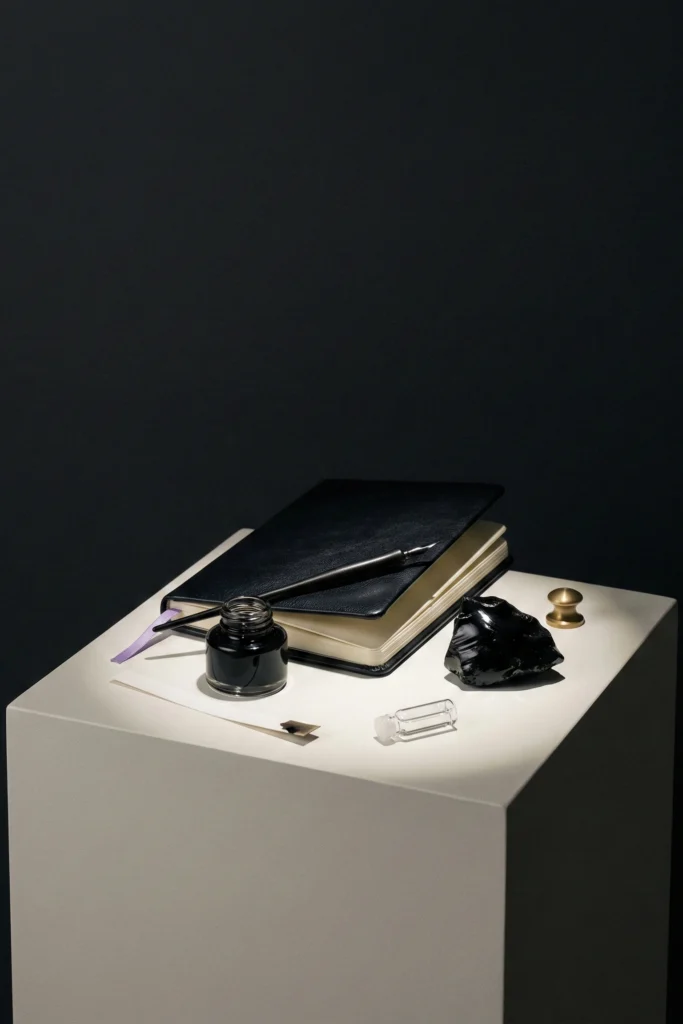
Inky or tarry leather
Inky leather can feel darker and more “artistic,” with bitter, resinous, or tar-like shadows that some people read as rubbery or industrial. It is not always beginner-friendly, but it can be incredibly addictive if you like moody scents. This style tends to shine at night, in cold weather, and on people who enjoy statement fragrances that feel mysterious rather than fresh.
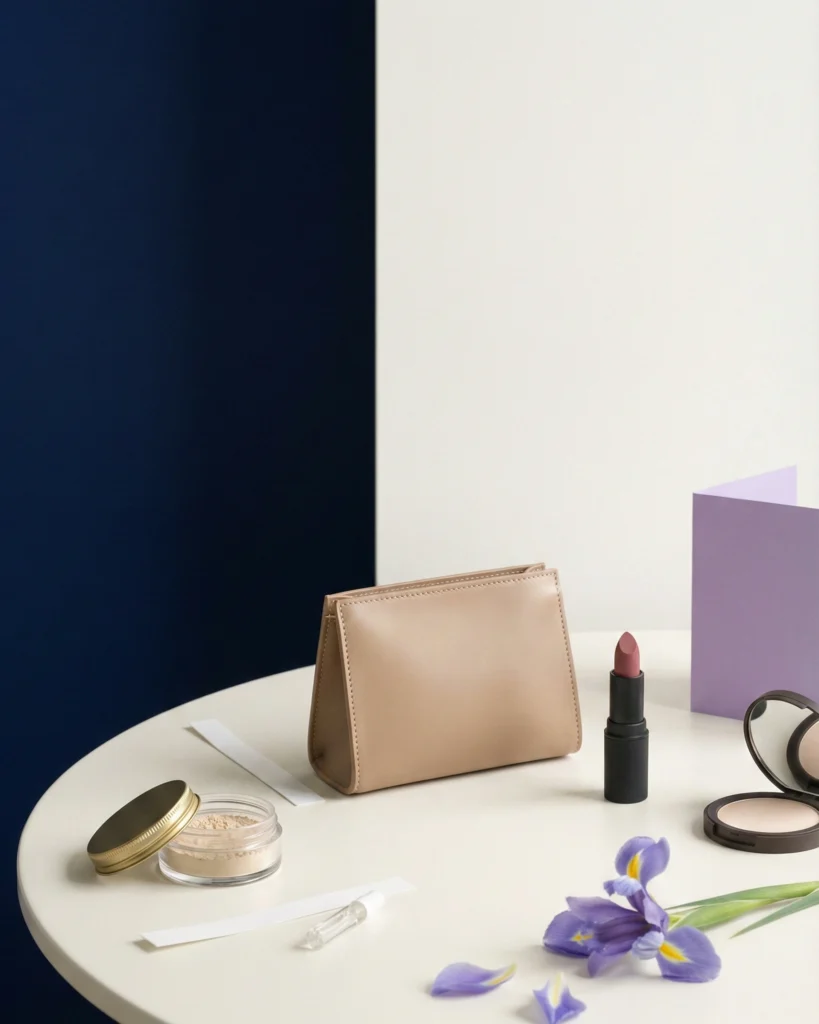
Cosmetic leather
Cosmetic leather feels clean, polished, and expensive, like a luxury handbag, a makeup pouch, or a well-lit boutique. Often paired with iris, musks, or soft florals, it can smell smooth and elegant instead of smoky. People usually enjoy it for dates, dressed-up evenings, work dinners, and any moment where you want leather to feel refined and modern.
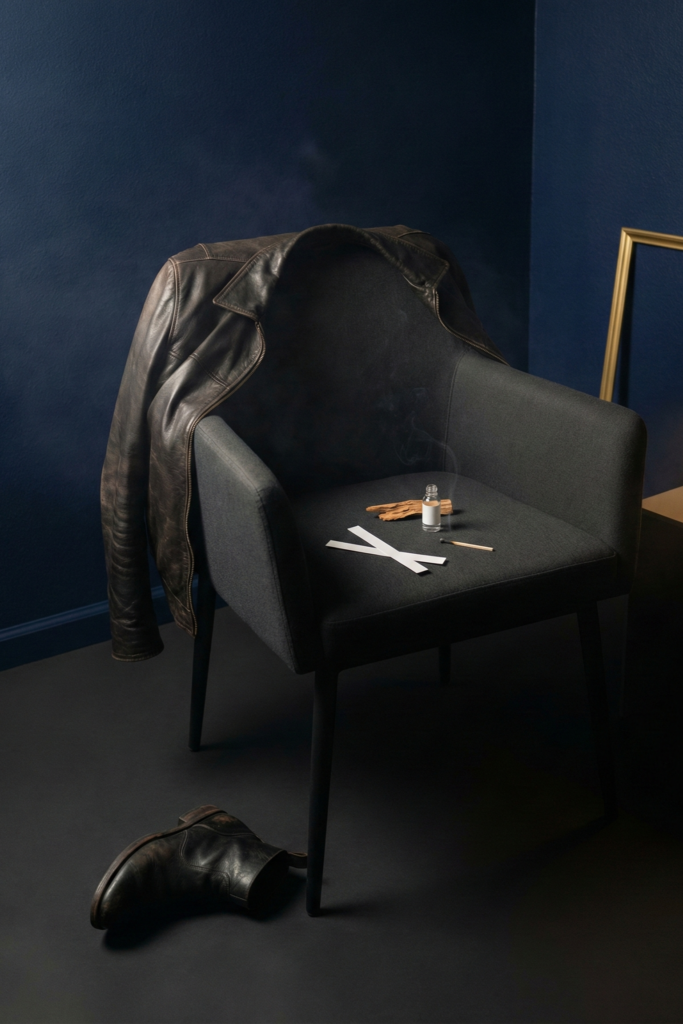
The leather spectrum, simplified
Here is a simple spectrum you can remember when you sample:
Soft → suede, cosmetic leather
Dry → jacket leather, smoky leather
Dark → inky, tarry leather
Polished → handbag leather with iris and musks
A beginner-friendly leather is usually soft or polished.
A more challenging leather is usually dry or dark.
This is not about quality. It is about comfort.
Common pairings and what they do
Leather rarely lives alone. Pairings decide whether leather feels cozy, elegant, modern, or intense.
How leather behaves with other notes
- Leather + iris – Polished “luxury accessory” leather, often powdery and elegant. Great for tailored looks, dinners, and occasions that call for quiet sophistication.
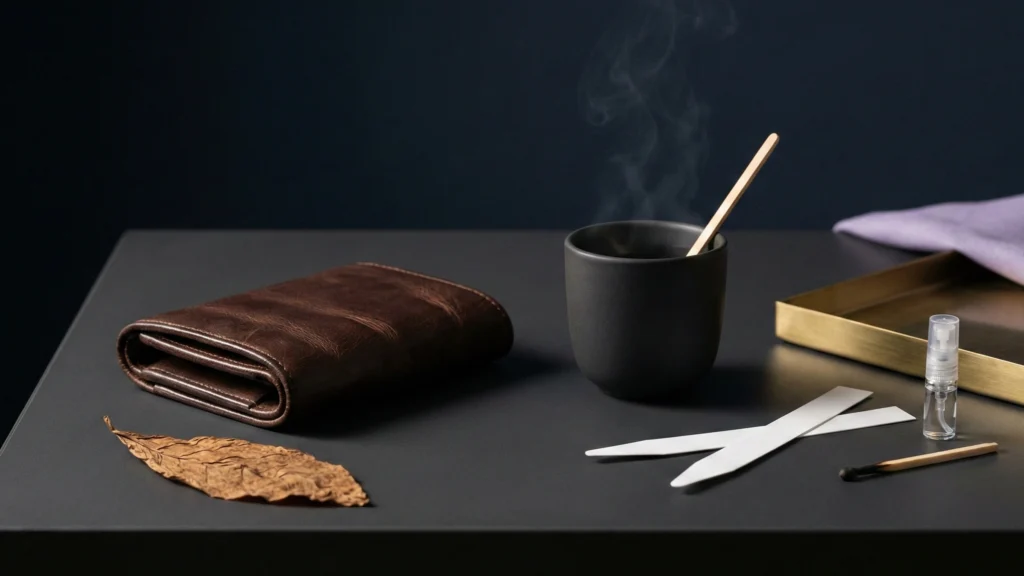
- Leather + tobacco – Cozy, smoky warmth with a lounge-like vibe. Best in cool weather, at night, with knitwear, denim, or a leather jacket.
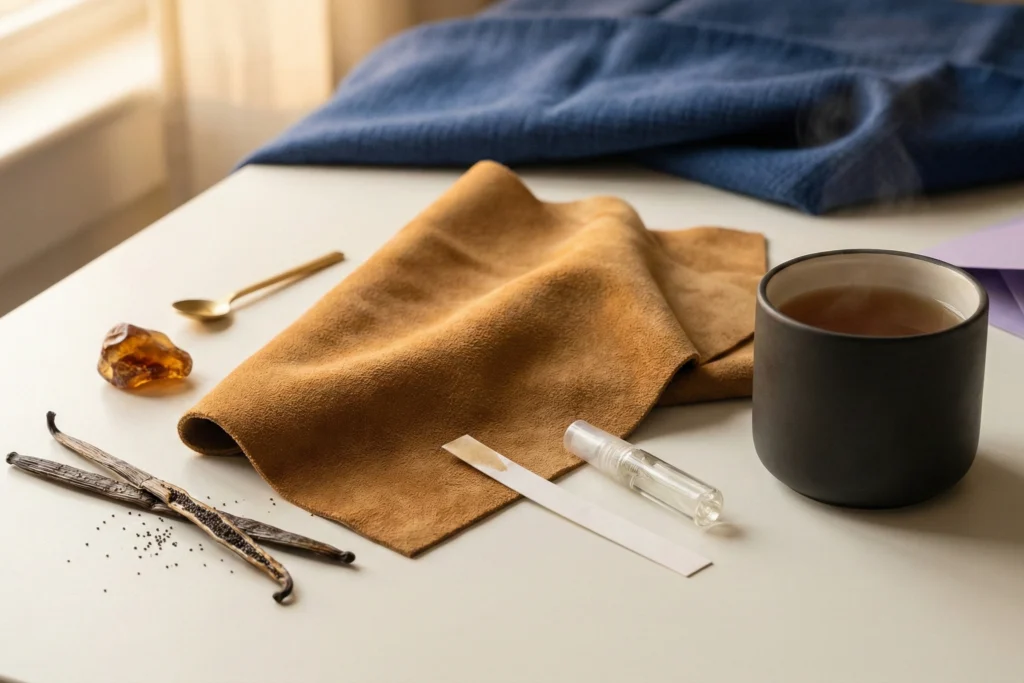
- Leather + amber/vanilla – Softened, enveloping leather that feels inviting rather than sharp. Ideal for dates, winter evenings, and anyone easing into leather slowly.
- Leather + florals – A lifted, more “unisex” elegance where leather adds structure and the floral adds air. Works well for spring evenings, smart casual, and modern signature scents.
Extra pairings you will notice in the wild
Leather + saffron
Saffron can create a warm, slightly leathery-spiced glow. In modern perfumery, saffron often helps leather feel plush and luxurious rather than smoky.
Leather + woods (cedar, sandalwood, modern woody molecules)
Woods can make leather feel smoother, cleaner, and more “wearable.” This is a common trick in modern compositions that want leather texture without harsh edges.
Leather + musks
Musks can turn leather into suede. They soften, blur, and smooth. If you want leather that feels like skin, musks are often part of the reason.
Leather + incense or resins
This pairing leans dramatic. It can be beautiful, but it is usually more “evening” than “office.”
How to wear leather fragrances without feeling overwhelmed
Leather is one of the easiest notes to over-apply, especially if you are new.
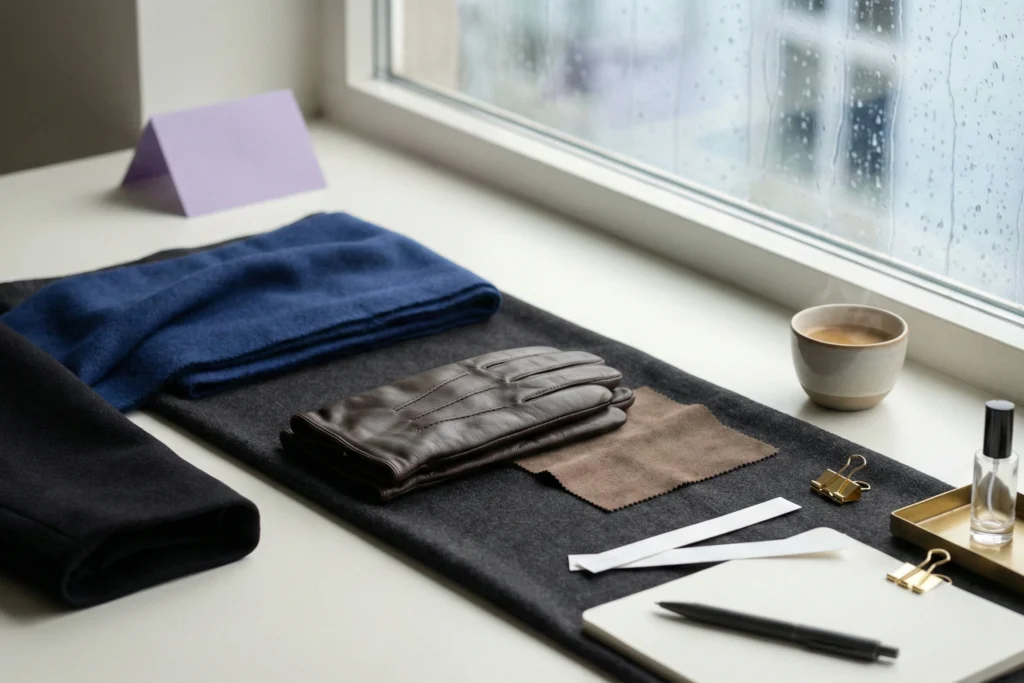
How to wear leather fragrances without feeling overwhelmed
- Start with softer styles first: suede leather, cosmetic leather, or “leather as a nuance” in the background.
- Leather loves cooler air. Autumn and winter are easiest, but suede and handbag leathers can work on mild spring days and cool summer nights.
- If you are new, begin with 1 spray on skin (chest or inner elbow). Wait 15–30 minutes before deciding, since leather often smooths out as it warms.
- Office rule: choose clean or suede leather and keep it subtle. Leather can feel very “present,” so less is more in close settings.
- For dates and evenings, leather shines. It reads confident, intimate, and styled, especially when paired with amber, vanilla, iris, or tobacco.
- Sample before you buy. If a leather fragrance feels like a “mood scent” for you, start with a decant so you can learn when you actually reach for it.
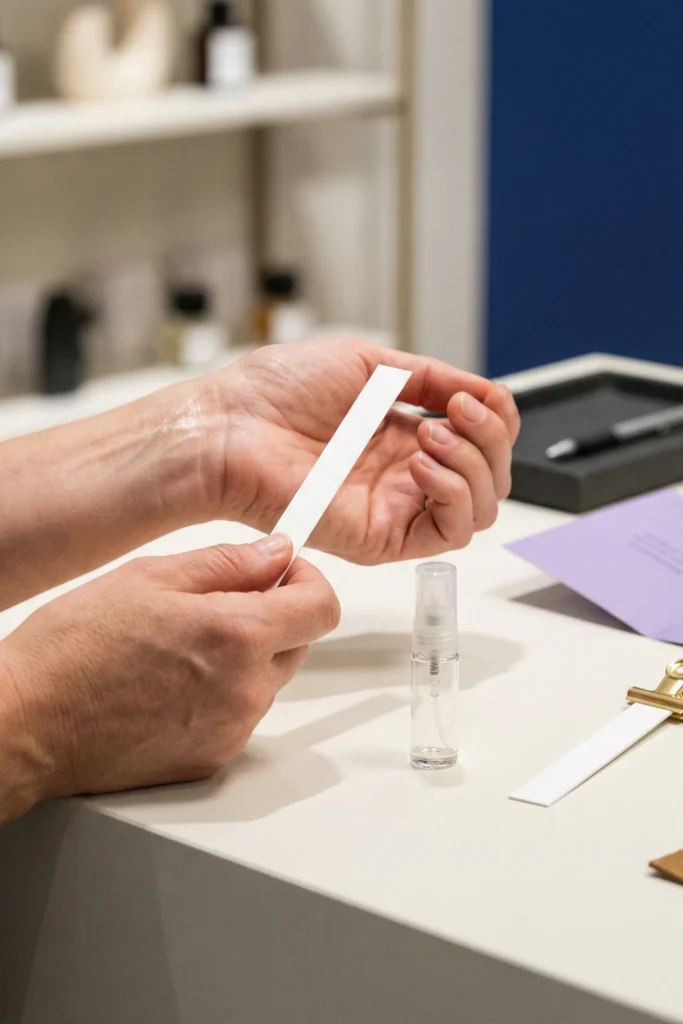
Where to spray leather, if you want it to feel smoother
If leather feels sharp on you, placement helps:
Under clothing (chest) often makes leather feel more intimate and blended.
Inner elbow gives you a gentle scent cloud, and you can smell the evolution without choking yourself out.
Avoid spraying directly near your nose (neck) if you are sensitive to smoky or bitter openings.
Leather in hot weather
Hot weather amplifies intensity. If you live somewhere warm or you are wearing leather in summer, choose:
suede styles
cosmetic leather
leather as a background note
And keep sprays minimal.
Where I live, I see this often: clients love leather in cool air, then feel overwhelmed wearing the same fragrance on a warm day. It is not that the perfume changed. The environment did.
Real-world mini stories from LIQUO
This is the part I wish more beginners could experience in-store, because it removes the fear fast.
The “too masculine” client who wanted something elegant
A client told me they loved the idea of leather but did not want to smell masculine. On a blotter, the first leather we tried felt too dry for them. We switched to a softer, suede-leaning option and put it on skin. Ten minutes later, it smelled plush and refined, almost like expensive fabric with a leather accent.
Their takeaway was simple: leather is not a gender. It is a texture.
The fresh-scent person who discovered leather for winter nights
Another client only wore crisp fresh fragrances. They wanted something for cold evenings but feared anything smoky. We tried a leather paired with amber warmth. It kept the comfort and added elegance without turning into “smoke.” They ended up using it as a winter dinner signature.
The classic “paper vs skin” surprise
This one happens constantly. Someone smells leather on paper and says “no.” Then they try it on skin out of curiosity, and it becomes smoother, warmer, and more wearable. Not every time. But often enough that leather is one of the best notes to judge only after it has lived on skin for a while.
A simple analogy that makes leather easy to remember
Think of leather fragrances like leather items in real life. Same material family, very different experiences.
The leather wardrobe framework
Suede glove: soft, quiet, daily wear leather.
Leather jacket: dry, smoky, casual-cool leather with edge.
Luxury handbag: clean, polished, elegant leather, often with iris or musks.
Vintage briefcase or dark boots: deeper, inky leather that feels serious or artistic.
Now ask yourself: which item fits your life today?
If you mostly wear sneakers and casual outfits, glove leather or jacket leather will feel natural.
If you dress sharper, handbag leather can feel like a perfect extension of your style.
If you love statement scents, the dark boot category is where you explore.
This also helps you avoid blind buys. If you hate the smell of smoke in real life, do not start with jacket leather. Start with suede.
What to do with this, practically
Now that you understand leather as a crafted accord and you can picture the main facets, what should you actually do?
1) Sample leather like a pro in-store
Smell on paper to get the theme.
Then put it on skin immediately, even if you are unsure.
Set a timer for 15–30 minutes and smell again. Leather often transforms.
2) Do not test five leathers in one session
Leather lingers and can confuse your nose. Two leather tests in one visit is plenty if you are learning.
3) Start with one “wearable leather” for your wardrobe
Most people do not need multiple leather perfumes. One versatile suede or polished leather covers the category beautifully.
If you fall in love with leather later, then you add a smoky or darker option as a second piece.
4) Learn the “clues” in a note pyramid
Leather listed alongside certain notes often signals the style:
Leather + iris: polished, cosmetic, handbag vibe.
Leather + tobacco: cozy, smoky, evening.
Leather + vanilla or amber: rounded, warm, easier for beginners.
Leather + incense or resins: dramatic, darker, more niche.
This is not a perfect rule, but it helps you predict the vibe before you spray.
5) Avoid blind buys when leather is new
Leather is one of the easiest notes to misunderstand from descriptions. If you cannot test, consider a decant first. It is the simplest way to avoid expensive regret.
6) Give leather time and context
Leather can feel weird if you test it on a random Tuesday morning in a warm room. Try it again on a cool evening, with an outfit that matches the mood. Sometimes the fragrance did not change, your context did.
7) Decide what you want leather to say
Leather can say many things: cozy, elegant, bold, artistic, seductive, clean, rugged. Choose the leather style that matches the message you want, not the stereotype you fear.
Short FAQ about leather notes in perfume
Is leather in perfumery always very strong?
No. Some leather fragrances are powerful, but many modern leather accords are smooth and close to the skin, especially suede and cosmetic styles. The opening can feel sharper on paper, then becomes more wearable on skin after 20 minutes.
Does leather mean the scent is masculine?
Not at all. Leather can be rugged, but it can also be powdery, clean, and elegant when paired with iris or soft musks. Think of leather as texture and mood, not a gender label.
Will a leather fragrance smell like a leather jacket or a car interior?
Sometimes, but not always. Smoky leathers can feel jacket-like, while cosmetic leathers can feel like a luxury handbag or makeup pouch. Because leather is a crafted accord, the “leather” you smell depends on the perfumer’s interpretation.
Can I wear leather fragrances in the office?
Yes, with the right style and dosage. Choose suede or clean handbag-style leather, and start with 1 spray. If your office is warm or close-quarters, keep it subtle and avoid the darkest smoky styles.
What is the easiest leather style for beginners?
Suede is usually the easiest entry point because it feels soft, plush, and less smoky. Leather with amber or vanilla is also beginner-friendly because the sweetness rounds off any sharp edges.
Why do some leather scents smell “dirty” or harsh to me?
Darker leather styles can include smoky, bitter, or inky accents that some noses interpret as rough or animalic. If that happens, switch to a cleaner leather profile instead of forcing it. Leather is a big category, and you might simply prefer polished or suede styles.
Should I blind buy a leather fragrance?
If leather is new to you, it is safer not to. Leather can be polarizing, and climate matters a lot. Try it on skin, and consider a decant first if you are exploring bolder styles.
Soft conclusion
Leather does not have to be a “big leap.” Once you understand that leather is always crafted and interpreted, it becomes less intimidating and more like a style choice.
Start with the easiest leather styles first. Try suede or polished handbag leather, keep sprays low, and always test on skin. Give it time to warm up and settle, especially if your first impression on paper feels sharp.
When you find your style, leather in perfumery becomes one of the most satisfying notes to wear, because it adds texture and personality without needing to be loud. It is not just a heavy note. It is a way to express mood, confidence, and taste, in a very human, wearable way.
Keep exploring complex notes
If leather finally makes sense, these guides help you understand the “supporting actors” that often shape leather fragrances: musks, ambers, spices, and modern woody molecules.
What Is Iris in Perfumery?
Learn why iris makes leather feel polished, powdery, and “luxury handbag” elegant.
What Is Musk in Perfumery?
Understand the clean, skin-like softness that turns leather into suede and makes it wearable.
Vanilla in Perfumery
See how vanilla rounds leather into warm, cozy, beginner-friendly comfort scents.
What Is Ambroxan in Perfumery?
Explore the modern, woody-amber clarity that can make leather feel cleaner and more radiant.
Iso E Super in Perfumery
Learn the “smooth wood” effect that often softens leather and boosts airy wearability.
What Is Saffron in Perfumery?
Discover the leathery-spicy warmth saffron can add, especially in modern niche styles.
What Is Oud in Perfumery?
Understand the deep, woody-resin side that often overlaps with darker leather profiles.
Useful resources about leather
Useful resources about leather in perfumery
These are neutral places to explore leather-heavy fragrances, compare note pyramids, and see how different communities describe leather styles like suede, smoky, and “handbag” leather.
- Database Fragrantica – search leather perfumes, notes, and user impressions
- Database Parfumo – leather note page with related notes and community ratings
- Community Basenotes – long-form discussions comparing different leather styles
- Industry IFRA Standards – background on why some classic materials have modern alternatives
These links are not sponsored. They are here if you want to explore leather fragrances more deeply and see multiple perspectives.
Share this post: on Twitter on Facebook